
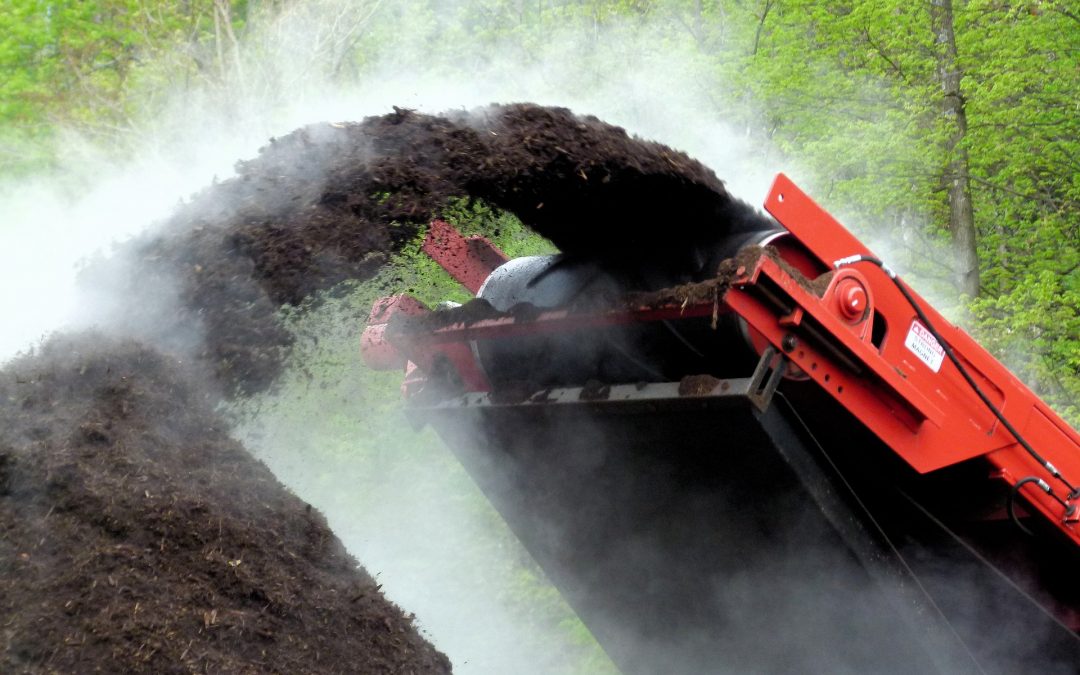
Composting is widely recognized for its significant benefits in recycling and valorizing organic waste streams, as well as in improving soil characteristics. However, the process is not without challenges, especially regarding potential contaminants that can pose risks to health and the environment.
Benefits of Composting
Composting transforms organic waste into a valuable resource by breaking down organic matter into nutrient-rich compost. This compost improves soil health, increases crop yields, and reduces the need for chemical fertilizers. The composting process also mitigates the environmental impact of organic waste disposal, aligning with sustainable waste management practices and the principles of the circular economy.
Contamination Risks of Compost
While composting has many benefits, it can also introduce contaminants into the environment. Depending on the organic waste used and the composting process, chemical and biological contaminants can pose significant risks.
Pathogens in Compost
Pathogens are a major concern in compost, especially when raw materials like municipal solid waste, sewage sludge, and manures are used. These materials can harbor bacteria, viruses, fungi, and parasites, such as Salmonella, Shigella, and Escherichia coli. If not properly managed, the composting process can allow these pathogens to proliferate, posing risks to the health of compost handlers and agricultural users.
To ensure compost safety, traditional indicator organisms such as fecal coliforms, fecal streptococci, and E. coli are monitored. However, factors such as moisture, nutrient availability, and competitive microbiota can influence pathogen growth, requiring thorough supervision, especially during the cooling phase of composting.
Inorganic Contaminants: Heavy Metals and Trace Elements
Composts can also contain heavy metals and trace elements such as cadmium, chromium, lead, nickel, mercury, arsenic, copper, and zinc. These elements are toxic to humans and the ecosystem, and their concentrations in compost are regulated by national standards (Lasaridi et al., 2018). Contamination levels can vary widely depending on the initial materials used for composting, with municipal solid waste being a significant source (Kupper et al., 2019).
Emerging Organic Contaminants
Emerging contaminants (ECs) include a wide range of chemical compounds from daily anthropogenic activities, such as agrochemicals, pharmaceuticals, household products, and personal care products. These contaminants can enter compost through aerial deposition, accidental or deliberate entry, and pose potential risks to human health and the environment. Studies have found various organic contaminants in compost, particularly in source-separated compost.
The Role of NEOCOMP
While composting offers significant environmental and agricultural benefits, it is crucial to manage the process properly to mitigate the risks associated with chemical and biological contaminants. Ensuring the safety and quality of compost involves monitoring pathogens, heavy metals, and emerging organic contaminants throughout the composting process. This careful management, supported by initiatives such as the NEOCOMP project, is essential to maximize the benefits of composting and minimize its potential risks.
For more detailed information on composting and its benefits and risks, refer to the sources cited in this publication: Ventorino et al. (2019), Ayilara et al. (2020), Lasaridi et al. (2018), Hassen et al. (2001), Bustamante et al. (2008), Kupper et al. (2014), Ramírez-Malule et al. (2020), and Clarke and Smith (2011).